
In today’s fast-moving digital world, people want information quickly. Whether someone is reading a blog post, research paper, newsletter, or online article, knowing how long the content will take to read helps improve planning and engagement. That’s exactly where a Reading Time Calculator becomes useful.
A reading time estimator helps users determine the approximate amount of time required to finish reading a piece of content based on average reading speed. It is widely used by bloggers, students, marketers, publishers, SEO professionals, and readers who want a better reading experience.
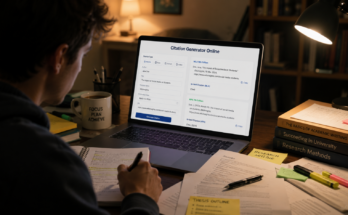
The calculator above allows you to paste any text and instantly estimate reading time based on different reading speeds. It is simple, accurate, and optimized for both desktop and mobile users.
Table of Contents
What Is a Reading Time Calculator?
A Reading Time Calculator is an online tool that estimates the time needed to read written content. It calculates the total reading duration using the number of words in the text and the selected reading speed measured in words per minute (WPM).
Most adults read at an average speed of around 200–250 words per minute. However, reading speed varies depending on factors like:
- Reading skill
- Content complexity
- Language familiarity
- Focus level
- Technical terminology
- Screen vs paper reading
This tool gives a quick estimate that helps readers manage time efficiently.
Why Reading Time Matters
Reading time has become an important metric across websites, blogs, and educational platforms. Many publishers now display estimated reading duration at the top of articles because it improves user experience.
Here are some reasons why reading time matters:
1. Better User Engagement
Readers are more likely to start an article if they know it only takes a few minutes to finish.
For example:
- “3 min read” feels manageable
- “20 min read” sets expectations clearly
This transparency builds trust with users.
2. Improved SEO Experience
Search engines prioritize user experience. Showing estimated reading time can improve:
- Time on page
- User satisfaction
- Content engagement
- Bounce rate reduction
While reading time itself is not a direct ranking factor, it contributes to overall usability signals.
3. Helpful for Bloggers and Writers
Content creators use a blog reading time calculator to optimize article length for their audience.
Examples:
- Short blogs: 2–4 minutes
- Detailed guides: 8–15 minutes
- Tutorials and research content: 15+ minutes
This helps writers structure content effectively.
4. Useful for Students
Students can estimate how long textbooks, assignments, essays, or research papers may take to read.
This is especially useful during:
- Exam preparation
- Study scheduling
- Research planning
- Time management
How Does a Reading Time Calculator Work?
The formula behind a reading speed calculator is simple.
The tool:
- Counts total words
- Divides the word count by reading speed (WPM)
- Displays estimated reading duration
The basic formula is:
Reading Time=Words Per MinuteTotal Words
For example:
If an article contains 1,200 words and the average reading speed is 240 WPM:
2401200=5
The estimated reading time is approximately 5 minutes.
Steps to Use This Reading Time Calculator
Using the calculator above is extremely easy.
Step 1 – Paste or Type Your Text
Copy the content you want to analyze and paste it into the text box.
You can use:
- Blog posts
- Essays
- Research papers
- Emails
- Articles
- Scripts
- Documentation
Step 2 – Select Reading Speed
Choose your preferred reading speed:
- Slow reader
- Average reader
- Fast reader
- Speed reader
- Custom WPM option
The calculator automatically adjusts results.
Step 3 – View Instant Results
The tool instantly shows:
- Estimated reading time
- Word count
- Character count
No page reload is needed.
Step 4 – Copy or Clear Results
You can:
- Copy the result
- Clear the text
- Load sample text
This makes the tool convenient for repeated usage.
Average Reading Speed Explained
Reading speed varies between individuals.
Here is a general breakdown:
| Reader Type | Average Speed |
|---|---|
| Slow Reader | 150–200 WPM |
| Average Adult | 200–250 WPM |
| Fast Reader | 300–400 WPM |
| Speed Reader | 500+ WPM |
Complex academic or technical content naturally slows reading speed.
Examples of Reading Time Calculation

Example 1 – Blog Article
Word count: 800 words
Reading speed: 200 WPM
200800=4
Estimated reading time: 4 minutes
Example 2 – Research Paper
Word count: 3,000 words
Reading speed: 250 WPM
2503000=12
Estimated reading time: 12 minutes
Example 3 – Short Email
Word count: 120 words
Reading speed: 240 WPM
240120=0.5
Estimated reading time: Around 30 seconds
Who Should Use a Reading Time Estimator?
A reading time estimator is helpful for many different users.
Bloggers
Bloggers can optimize article length and improve user engagement.
SEO Professionals
SEO experts use average reading time calculators to evaluate content structure and readability.
Students
Students can manage study schedules more efficiently.
Journalists
Writers and editors estimate how long news articles take to consume.
Teachers
Educators can assign reading materials based on estimated reading duration.
Businesses
Companies use reading time estimates in:
- Knowledge bases
- Documentation
- Employee training material
- Internal communication
Benefits of Using This Reading Time Calculator
Fast and Accurate
The calculator instantly estimates reading duration using word count and reading speed.
Mobile Friendly
The tool works smoothly across:
- Smartphones
- Tablets
- Desktop devices
Custom Reading Speed
Unlike many basic calculators, this tool allows custom WPM settings.
Easy to Use
No signup or installation required.
Helpful for Content Planning
Writers can decide whether content is:
- Short-form
- Medium-form
- Long-form
This improves audience targeting.
Why Bloggers Add Reading Time to Articles
You may have noticed phrases like:
- “5 min read”
- “8 minute reading time”
- “2 min article”
These indicators improve user trust.
Readers appreciate knowing the commitment before starting content.
Benefits include:
- Better CTR
- Higher engagement
- Improved readability
- Reduced bounce rate
Many modern publishing platforms now support reading time automatically.
Reading Time vs Word Count
Word count alone does not always reflect reading experience.
For example:
- 1,000 words of simple storytelling may feel quick
- 1,000 words of legal or technical content may feel slow
That’s why combining word count with reading speed provides better estimation.
How Reading Speed Affects Comprehension
Reading faster is not always better.
Very high reading speed can reduce:
- Understanding
- Retention
- Focus
Good comprehension matters more than raw speed.
This is why the calculator includes different reading modes for realistic estimates.
Tips to Improve Reading Speed
If you want to read faster while maintaining comprehension, try these methods:
Practice Daily
Consistency improves reading fluency.
Reduce Subvocalization
Avoid mentally pronouncing every word.
Eliminate Distractions
Focused reading increases efficiency.
Read in Chunks
Train your eyes to process groups of words.
Use a Pointer
Using your finger or cursor can improve tracking speed.
Reading Time for Different Content Types
Blog Posts
Usually 3–10 minutes.
News Articles
Typically 2–5 minutes.
Academic Papers
Can range from 15–60 minutes.
Email Newsletters
Usually under 5 minutes.
Books
Depends heavily on genre and complexity.

Frequently Asked Questions (FAQ)
Is this Reading Time Calculator accurate?
Yes, the tool provides a close estimate based on reading speed and total words. Actual time may vary depending on content difficulty and reader focus.
What is the average adult reading speed?
Most adults read between 200 and 250 words per minute.
Can I customize reading speed?
Yes. The calculator allows custom words-per-minute settings.
Can I use this tool for books and PDFs?
Yes. You can paste any text content into the calculator.
Is this calculator free?
Yes, the tool is completely free to use.
Reference Links
Disclaimer
This Reading Time Calculator provides estimated results based on average reading speed calculations. Actual reading time may vary depending on content complexity, comprehension level, distractions, and individual reading habits. The tool is intended for informational and productivity purposes only.
Final Thoughts
A reliable Reading Time Calculator is a simple but highly useful tool for readers, writers, bloggers, students, and businesses. It helps estimate reading duration instantly while improving planning, readability, and user experience.
Whether you are writing SEO content, preparing study material, or simply curious about how long an article will take to read, this tool provides quick and practical insights.
The calculator above is designed to be fast, mobile-friendly, and easy to use, making it suitable for modern websites and digital publishing platforms.